Is Crypto Still Worth Holding in 2026?
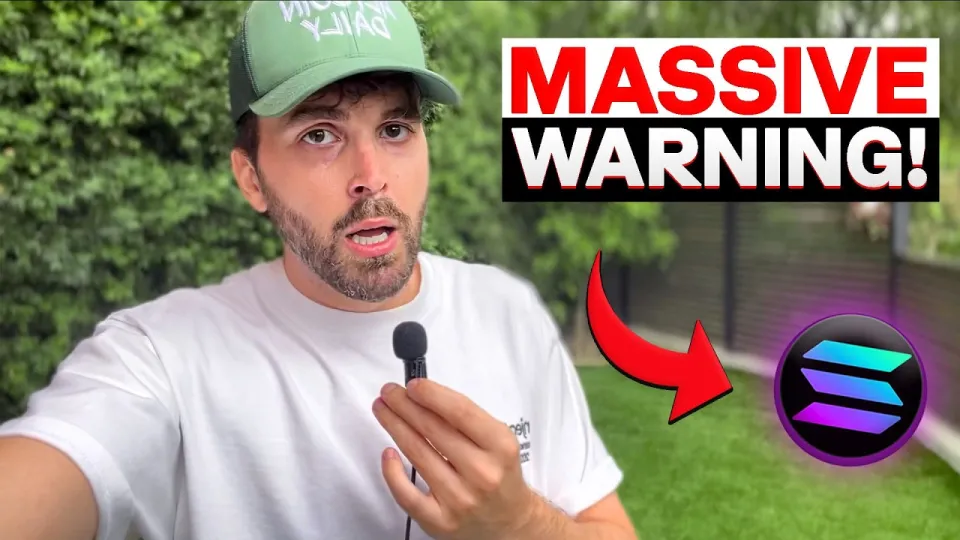
Video: My MASSIVE Warning To Crypto Holders
Want articles like this for your own video to promote it on YouTube and Google? Order them through the Telegram bot @sat_sit_bot. Articles with your video embedded are written and posted by the bot itself — on popular topical sites (no ads). Free trial — 50 articles.
· based on the channel Altcoin Daily
Key takeaways
- The core warning for crypto holders is regulatory and platform risk, not the price chart itself.
- Self-custody and platform choice matter more than chasing a single narrative token.
- Tokens with unclear regulatory status or heavy issuer control carry extra structural risk.
- Diversification across BTC, ETH and large-cap assets is the common risk-management baseline.
- Deposit bonuses and promo links from any channel should be checked against the platform's own terms.
The short answer: yes, holding crypto can still make sense, but the warning for holders in 2026 is not about a single price target — it is about regulation, platform risk and token design. What matters now is where your coins sit, how much control you actually have, and whether the assets you hold can survive a stricter rulebook. Before you move funds, compare the terms of any promotional offer, such as the Weex welcome deposit bonus, against the platform's own documentation.
What the crypto warning to holders actually covers
The warning is structural, not a call to sell everything: the biggest danger for holders is being exposed to rules and intermediaries they never examined. In the Altcoin Daily breakdown, the host walks through why the next phase of the market rewards holders who understand custody, jurisdiction and token mechanics rather than those who simply bought and waited.
The practical takeaway is a checklist, not a prediction:
- Know who controls your private keys and whether the answer is you.
- Know which regulator or jurisdiction your exchange answers to.
- Know whether the token you hold depends on a single company staying compliant.
- Know how quickly you could exit if withdrawals were paused.
Why regulation is the main risk for crypto holders
Regulation is the dominant risk because it decides which platforms can serve you, which tokens can be listed, and how fast access can change. A holder can be right about the technology and still lose access to funds if the intermediary in the middle loses its licence or restricts withdrawals.
This is why the warning pushes holders toward assets and venues with clear, long-standing legal footing. It also explains why the conversation in the comments keeps circling back to coins that are treated as less dependent on any single regulator's approval — Bitcoin and Ethereum being the obvious examples — versus newer or issuer-controlled tokens whose status is still being argued over.
Platform choice and self-custody in practice
Platform choice is a risk decision, not a convenience decision, and the first step is separating trading venues from storage. Exchanges are useful for liquidity and for offers like registration bonuses, but they are also the point where counterparty risk enters your portfolio.
A workable structure looks like this:
- Keep only working capital on an exchange; move the rest to a wallet you control.
- Check withdrawal limits, KYC requirements and historical outage records before depositing.
- Treat any bonus or promo code as a separate decision from your core holdings.
- Prefer venues that publish clear terms on custody and asset segregation.
Holders who ask whether a given brokerage or app is safe are asking the right question. The answer usually comes down to whether the platform holds your coins directly, lends them out, or wraps them in a product with its own risk profile.
Which tokens holders keep debating
Token selection is where most of the arguments start, and the honest answer is that no single coin removes regulatory risk. Large-cap assets such as BTC, ETH, SOL, ADA and ZEC come up repeatedly because they have deeper liquidity and longer track records, but each carries its own exposure — ZEC, for example, sits in the middle of an ongoing debate about privacy coins and exchange delistings.
Newer or issuer-linked tokens are a different category. The warning here is to read what the token actually does before treating it as a hedge against regulation: if a token's value depends on one company's compliance position, it inherits that company's risk.
Typical questions from crypto holders
Holders tend to raise the same practical doubts, and they are worth answering directly. One recurring theme is whether to avoid specific apps or brokerages altogether — the better framing is to understand what the app does with your assets rather than to blacklist a brand. Another is whether a lending or staking product on top of a holding is worth the extra yield; the extra yield is compensation for extra risk, including smart-contract and counterparty risk.
A third theme is timing: holders worry about buying before a crash or holding through one. The video's framing is that missing the asset class entirely has historically been a larger risk than a drawdown for long-horizon holders, which is why the comments keep returning to the idea that the biggest risk is not being in the market at all. Neither view removes the need for position sizing.
Where to find the links mentioned in the breakdown
All promotional links referenced in the Altcoin Daily segment are listed below exactly as provided. Check each platform's own terms, fees and withdrawal conditions before registering.
- Weex welcome event with a deposit bonus: https://www.weex.com/events/welcome-event?vipCode=oz5p&qrType=activity
- Bitunix registration link: https://www.bitunix.com/register?vipCode=AltcoinDaily
The bottom line for crypto holders
The warning is best read as a call to audit your setup rather than to abandon the asset class. Altcoin Daily, the channel behind this breakdown, frames the risk around regulation, custody and platform dependence — the parts of holding crypto that a price chart never shows. Start with where your coins are stored, then check the legal footing of the tokens you hold, then decide whether any bonus offer fits your plan. If you want to review the Weex offer directly, the registration and deposit bonus page is the place to start.
Questions & answers
Is the warning a signal to sell all crypto?
No. The warning targets structural risks — regulation, custody and platform dependence — rather than calling a top or bottom. Holders are advised to audit where their coins sit and how their tokens are regulated, not to exit the asset class. Position sizing and self-custody are the practical responses.
Should I avoid specific apps or brokerages entirely?
It is more useful to understand what a platform does with your assets than to blacklist a brand. Check whether it holds coins directly, lends them out, or wraps them in a product, and review withdrawal limits and KYC rules. Any app can be reasonable for working capital if you accept its counterparty risk.
Do privacy coins like ZEC carry extra risk?
Privacy-focused assets face ongoing scrutiny and periodic delisting decisions by exchanges, which can affect liquidity and access. That does not make them unusable, but holders should size positions with delisting and regulatory headlines in mind. The same logic applies to any token whose legal status is still contested.
Is the biggest risk simply not owning crypto?
For long-horizon holders, missing the asset class has historically been a larger risk than a drawdown, which is why that argument keeps coming up. It does not remove the need for risk management: custody, diversification and platform choice still decide whether you survive a bad market.
Source: My MASSIVE Warning To Crypto Holders · Markdown version